Reconditioning · Root-cause analysis · Documentation
Most turbochargers do not need replacing. They need stripping down, the cause of the failure identified, and new wear and sealing parts. We recondition variable-geometry, electronically controlled and conventional turbochargers for cars, vans, agricultural machinery and heavy vehicles.
How it works
Six steps — and a fixed quote before we start.
Do you have the part number or engine code? Call us and we will tell you straight away whether we have it on the shelf, and what it costs.
Call +45 31 38 27 77High-speed balancing
When a turbo core is assembled, the parts are balanced individually at low speed. That is not enough. As the core comes together, new imbalances appear — from tolerances stacking up, from the shaft’s own deflection, and from how the parts settle under heat.
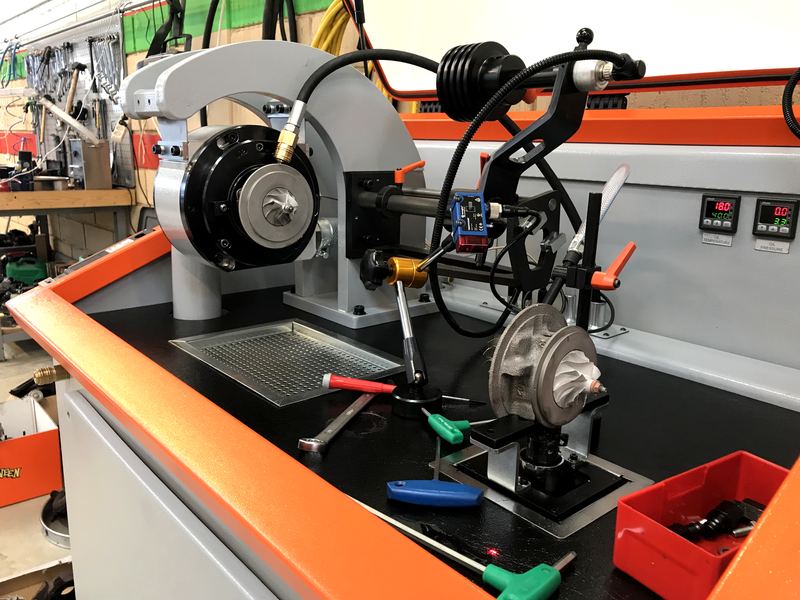
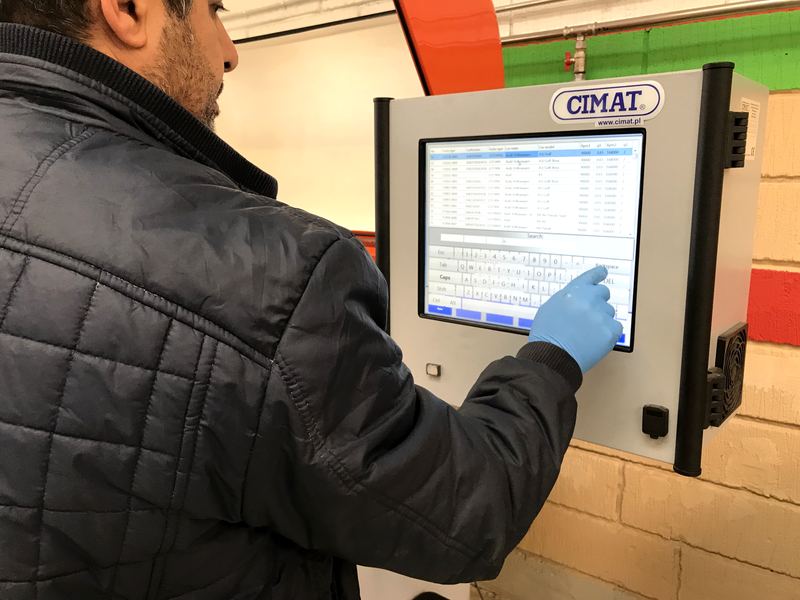
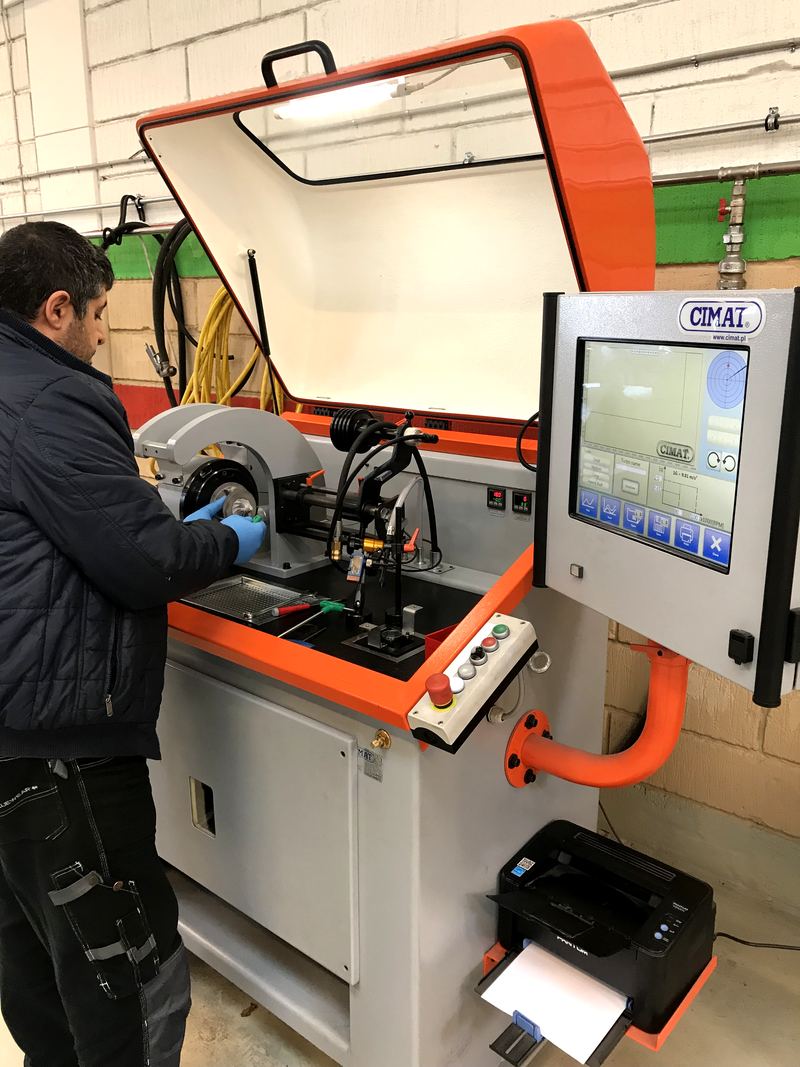
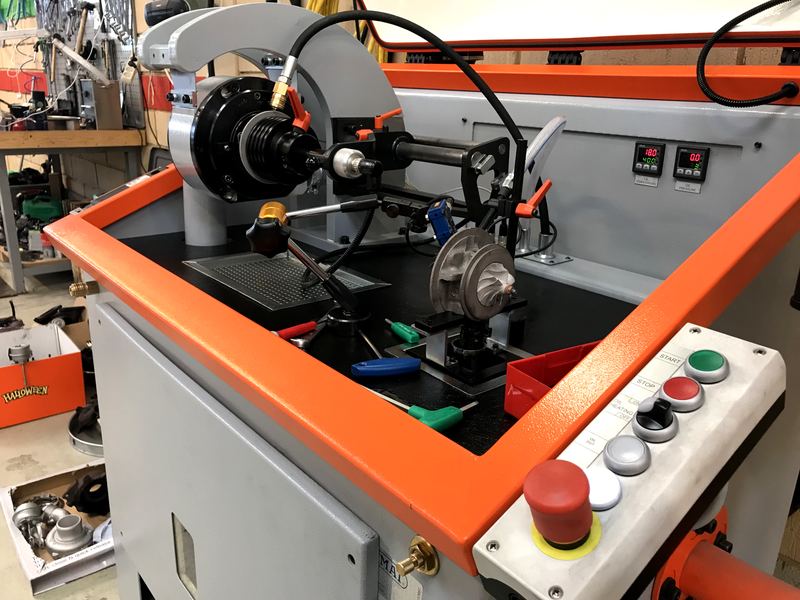
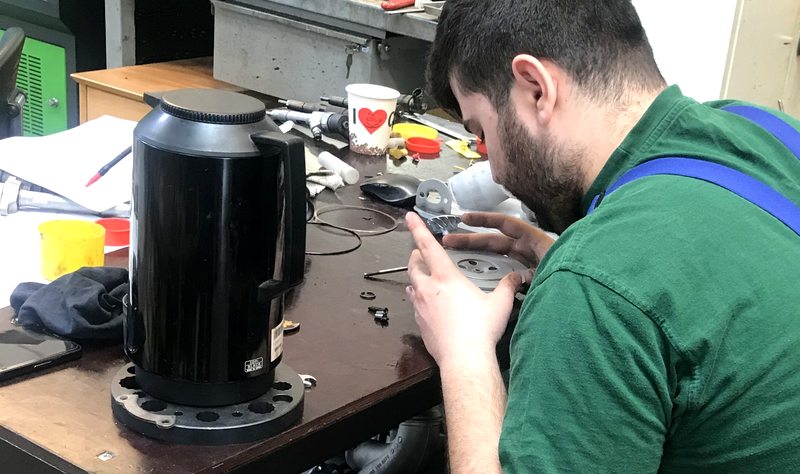
Our CIMAT Rotortest RT 8.5 drives the assembled core up into its real operating range with oil feed as in the engine. Vibration is measured across the whole speed range — not at a single point — because imbalances show up at different resonant frequencies. The correction is made on the core, and the measurement is repeated until it stays below the limit all the way up.
An imbalance of a few milligrams is invisible at low speed. At operating speed it becomes a force that destroys the bearings. Two turbochargers can feel identical on handover — one has simply worn its bearings out by the time the other has just bedded in. That is why we are willing to give a warranty.
Wet blasting
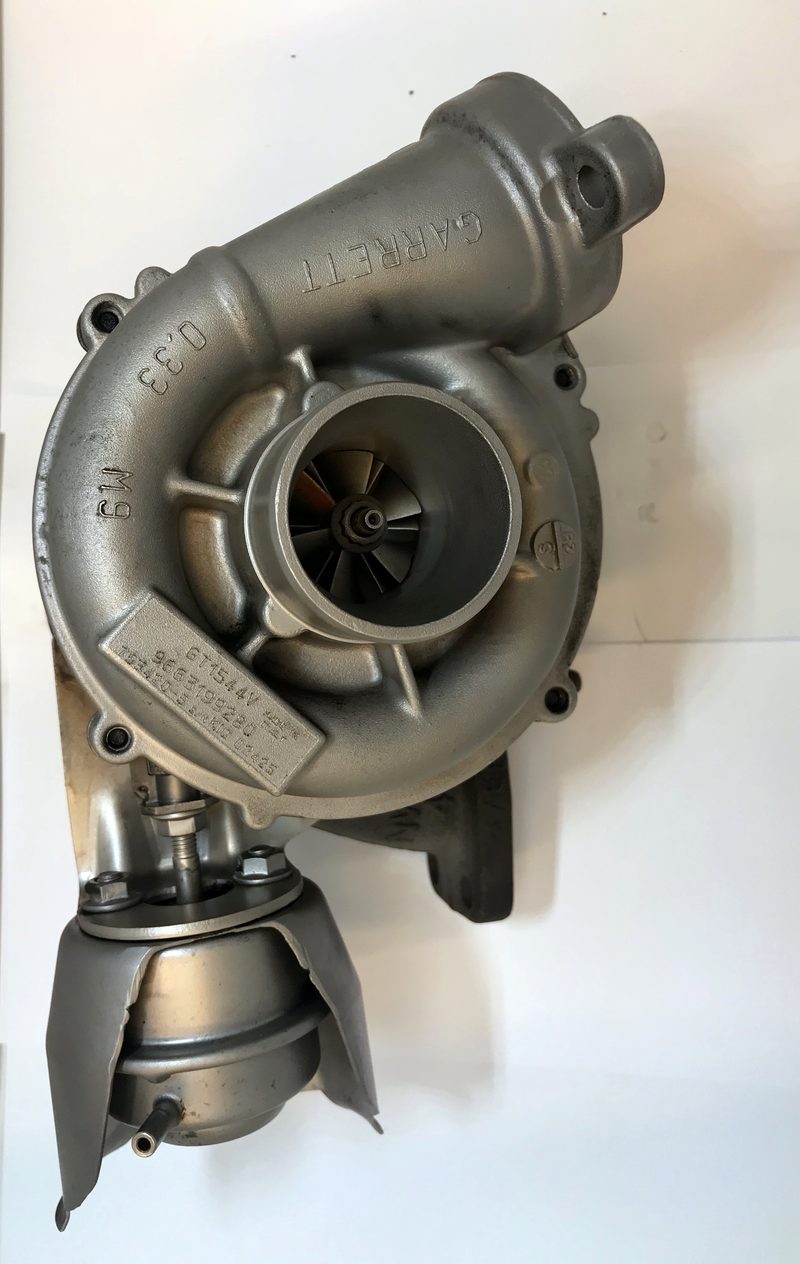
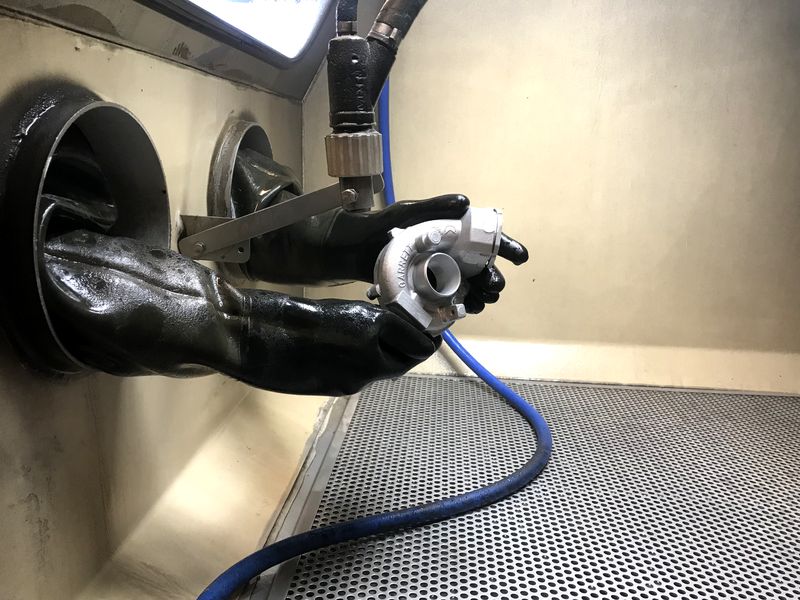
Most shops simply replace the bearings and put the turbo back together. We wet-blast the housings and external parts so that soot, oil and scale are gone before the unit is assembled.
Wet blasting is gentle cleaning with water and a fine abrasive. It is far gentler than ordinary sand blasting, where you risk removing material and changing tolerances. The surface comes out clean and even, and cracks and wear are much easier to spot once the dirt is gone.
You can tell from a turbocharger whether someone took care. A reconditioned unit that comes back with sooty housings tells its own story about how thoroughly the rest was done. Ours come out so you can see what you paid for.
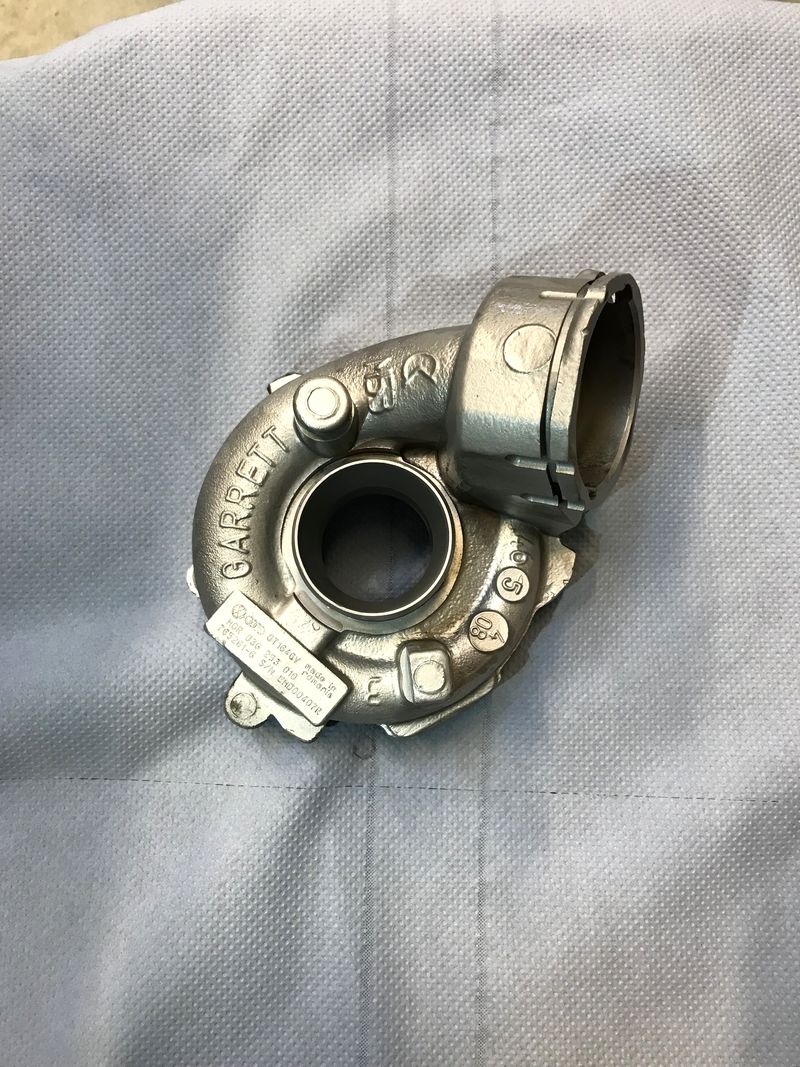
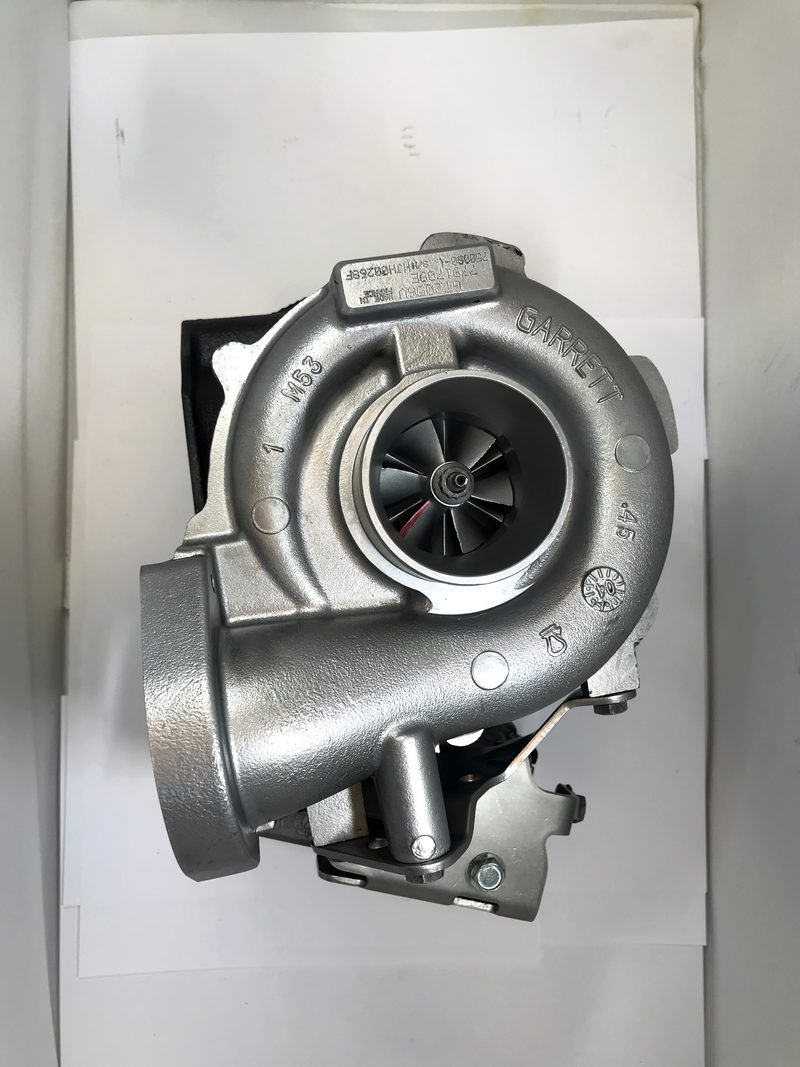
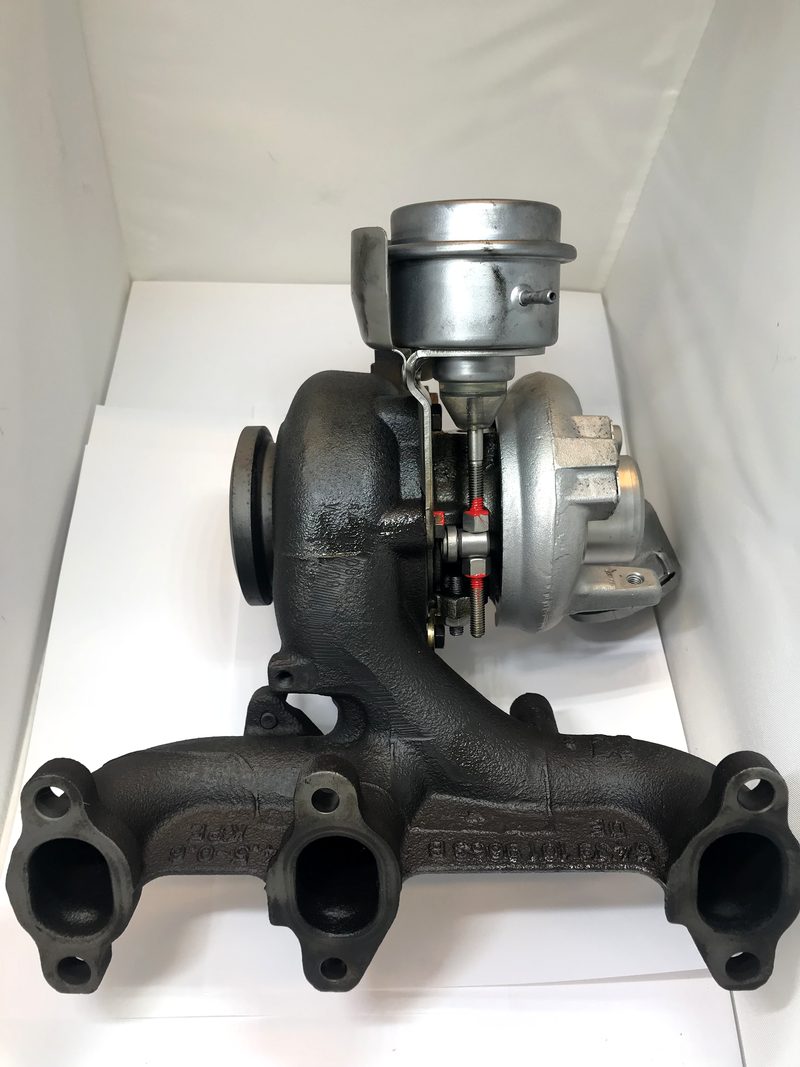
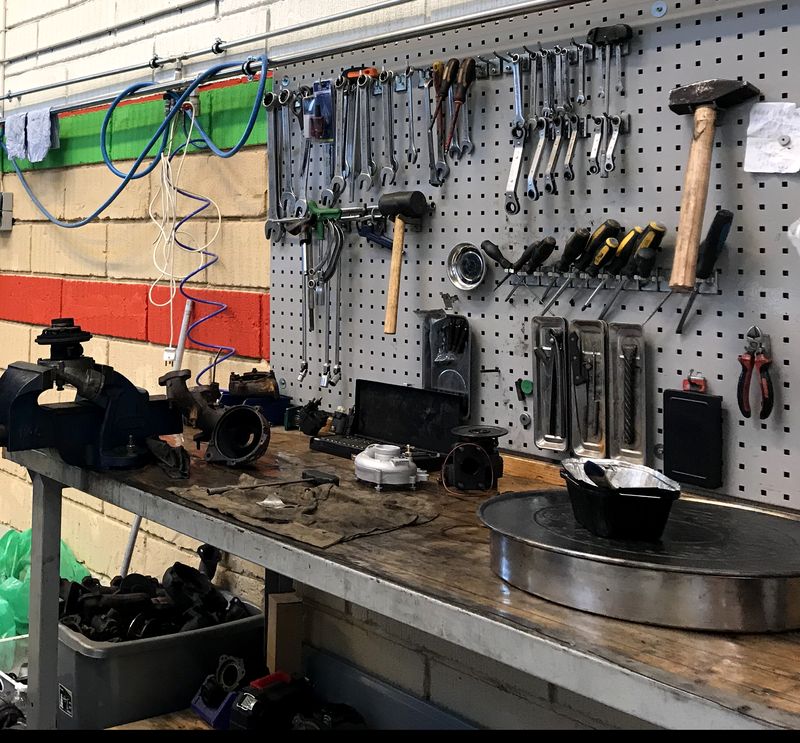
Housing, manifold, actuator and core are separated and laid out before anything is assessed. That is where the cause shows itself — in the wear pattern of the bearings, in the play in the shaft, and in how soot has settled in the VNT mechanism.
A turbocharger rarely fails on its own. Oil starvation, dirty oil, foreign objects in the intake or excessive boost pressure — three of those four causes sit outside the turbocharger itself. Fit a new unit without finding the cause and the next one will go the same way within a few thousand kilometres.
That is why we strip the turbocharger and read the damage pattern before quoting. Every cause of failure leaves its own signature in the bearings, on the shaft and on the wheels. You are told what went wrong — including when the answer is something that needs fixing elsewhere on the engine.
The turbine wheel sits directly in the exhaust gas at up to 900 °C, while the shaft rotates at up to 250,000 rpm — around 4,000 times a second. The shaft never touches the bearings: it floats on an oil film thinner than a hair.
A turbocharger that starts to whine or lose power has rarely "suddenly broken". It has been on its way for a long time — which is why in most cases it can be reconditioned rather than replaced.
Most modern diesel turbochargers are variable-geometry. A ring of adjustable vanes in the turbine housing changes the angle of the gas flow, so the turbo delivers boost already at low revs without overboosting at high revs.
The vanes sit in exhaust gas at several hundred degrees. Soot and oil mist from the EGR system build up in the mechanism, and on vehicles used mainly for short trips it gradually seizes. The symptoms are limp mode under load, lack of pulling power and a fault code on boost pressure regulation — plus an actuator that looks fine when tested disconnected.
Reconditioning therefore means more than new bearings. The mechanism must be stripped, deposits removed, the vanes checked for free movement, and the actuator calibrated with diagnostic equipment after fitting.
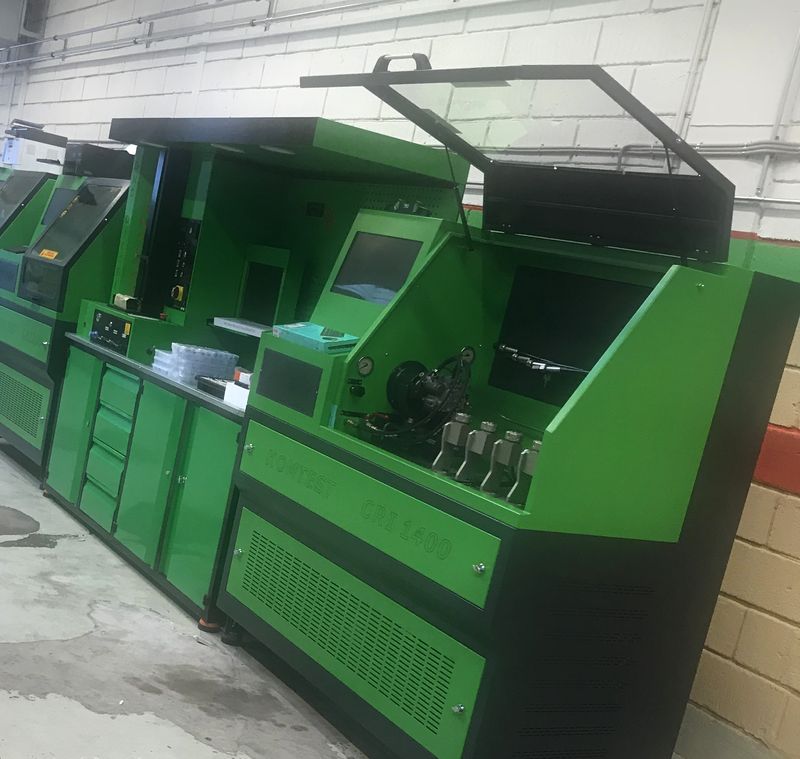
Call before you replace the part. A turbocharger that fails twice is almost always a symptom of something else in the engine.
Reconditioning from DKK 2,500 depending on model and extent of damage — in most cases substantially cheaper than a new original turbocharger. You get a fixed quote after stripping, when we know exactly what needs doing. We never start without your approval.
Lead time: if we have the unit in stock, you can collect it the same day. If your own turbocharger is to be reconditioned, normally 2–4 working days.
In the great majority of cases it can be reconditioned. The housing and the wheels rarely fail — it is the bearings, the seals and the VNT mechanism that wear, and we renew those. We assess the unit once it is stripped, and we say honestly if reconditioning is not worth it.
From DKK 2,500 depending on model and extent of damage. You get a fixed quote after stripping, when we know exactly what needs doing — and we never start until you have said yes.
If we have a reconditioned unit for your engine in stock, you can collect it the same day. If your own turbocharger is to be reconditioned, it normally takes 2–4 working days. If it is urgent, call us — we usually work something out.
Yes. We receive units from all over Denmark, and by arrangement from abroad as well. Call or write first and we will agree the practicalities and tell you what to include.
A turbo core rotates at up to a quarter of a million rpm. An imbalance of a few milligrams, which cannot be measured at all at low speed, becomes at that speed a force that destroys the bearings within a few thousand kilometres. We therefore balance every core on our CIMAT Rotortest RT 8.5 in its real operating range, with vibration measured across the whole speed spectrum. That is the difference between a turbocharger that lasts and one that comes back.
Wet blasting is gentle cleaning with water and a fine abrasive. It removes soot, oil and scale without attacking the material the way sand blasting does. Besides leaving the unit looking clean, it makes wear and cracks far easier to spot once the dirt is gone. We wet-blast the housings and external parts on every turbocharger we recondition.
We measure shaft, bearings, housing and VNT mechanism against the manufacturer’s tolerances, check shaft play both axially and radially, verify that the vanes move freely through their full travel, and function-test the actuator after calibration. If anything is outside tolerance, the unit does not leave the workshop.
Almost never on its own. The typical causes are oil starvation, dirty oil, foreign objects in the intake or excessive boost pressure — and three of those four sit outside the turbocharger itself. We find the cause during strip-down and tell you what it was. Without that knowledge, the next turbocharger goes the same way.
On electronically controlled turbochargers, yes. The actuator has a learned end stop that must be set with diagnostic equipment. Set it wrong and the turbo delivers either too little or too much boost from day one. We take care of it if the vehicle is with us.
Yes. We work with turbochargers for cars, vans, agricultural machinery and heavy vehicles.
Customers on Google
Really kind and helpful, can definitely be recommended. Had diesel injectors reconditioned and bought new ones … (translated from Danish)
… a very professional workshop run by father and son. The communication is clear and precise. The service is first class and the prices are honest. (translated from Danish)
Very good service. They know what they are dealing with, and they were quick. I will gladly come back. (translated from Danish)